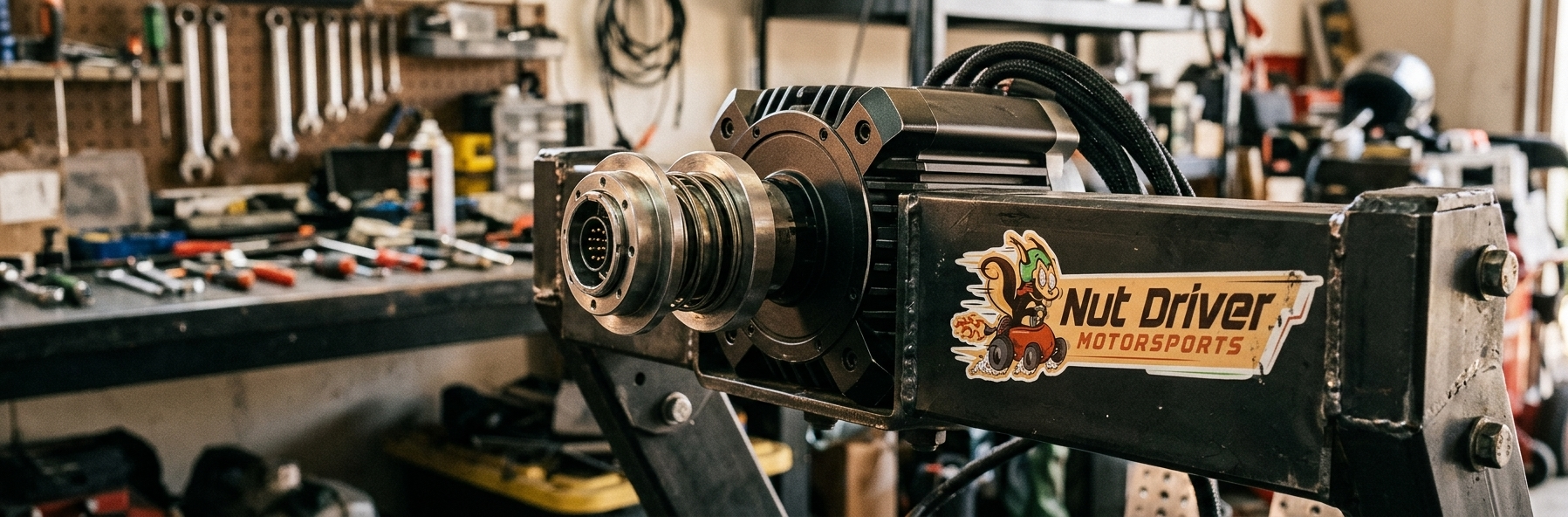
**[PADDOCK LEDGER — iRacing Credibility]** So let me get this straight: the FIA clamped a budget cap on Formula 1 — the supposed pinnacle of motorsport — forcing teams to fire engineers, cut R&D, and run last year's chassis with fresh stickers, while my iRacing subscription just auto-renewed at the same price it's been for years and I just dropped another four figures on a direct-drive wheelbase that'll outlast half the current grid's contracts. The economics are diverging, folks, and it's beautiful in the most chaotic way possible. Real F1 is a billionaire's club that finally hit a spending ceiling because even billionaires realized lighting money on fire every race weekend wasn't sustainable. The budget cap — $135 million per team, which sounds like a lot until you realize that's less than some pay drivers used to bring in sponsorship cash — was supposed to level the playing field. Instead, it's turned the paddock into a game of musical chairs where engineers get pink slips mid-season and drivers with actual talent lose seats to whoever's family can write the biggest check to keep the lights on. Meanwhile, sim racing hardware spending is climbing like a Hypercar at Eau Rouge. Fanatec went through a corporate meltdown and got bought out, Moza's cranking out mid-tier direct-drive bases faster than I can wear out a set of virtual slicks at Sebring, and Simucube's high-end kit costs more than some people's cars — but the waiting lists are still months long. Why? Because the barrier to entry in real motorsport is now *higher* than it's ever been, even as the top tier pretends to tighten its belt. You want to race an actual GT3 car at an actual track? You're looking at six figures minimum for a season, and that's if you're bringing your own tools and sleeping in the trailer. You want a shot at F1? You better have a nine-figure family fortune or a passport from a country with a sovereign wealth fund that needs some sports-washing PR. But you want to run the same Porsche 992 GT3 R at the same Nürburgring 24 layout that the factory drivers practice on, with force feedback that'll teach you exactly where you're bleeding time in Brünnchen? That's a five-thousand-dollar rig if you're smart about it, less if you're willing to turn your own wrenches and hunt the used market. The recent driver turnover stories are the perfect illustration. Real talent getting booted mid-contract because the team needs to make room for someone who can bring sponsor money. Engineers with decades of experience getting let go because the budget cap doesn't care about institutional knowledge. And where do those people go? A lot of them are ending up in sim racing — either as coaches, setup specialists, or just enthusiasts who finally have time to actually *drive* instead of spending 80 hours a week in a wind tunnel they're about to get fired from. The result is that the skill ceiling in iRacing and the other serious sims keeps rising, the community keeps growing, and the hardware manufacturers keep innovating because there's actually a market full of people who care about precision and repeatability instead of just logo placement and hospitality suite access. Real F1 is cutting costs because it *has* to. Sim racing hardware is getting more expensive because it *can* — because the value proposition is absurd. You're getting access to laser-scanned versions of the world's best circuits, running against people who actually know how to hold a line, in cars that behave like the real thing, for less than a single weekend of track-day rental in a clapped-out Miata. Skills over Bills isn't just a catchphrase anymore. It's the entire economic thesis of why motorsport's future is being built in garages and spare bedrooms instead of in paddocks that can't afford to keep the lights on without a billionaire's kid buying a seat. The real paddock is trimming fat. The sim racing ecosystem is adding muscle. And if you're wondering why your favorite young driver just lost their ride to someone who can't find the apex without a spotter and a prayer? That's your answer. The money's going the other way now — into rigs that'll actually make you faster instead of into a system that'll replace you the second your sponsor check bounces. So yeah, I just bought another set of load-cell pedals. And yeah, they cost more than the last pit crew I fired. But at least the pedals won't blame me when I lock up into Turn 1.


